The Vital Necessity of Screened Blood: 15 Case Studies

When venturing abroad or finding yourself in unfamiliar medical situations far from home, one absolutely vital necessity is guaranteed access to rigorously screened blood supplies. Whether it’s an emergency surgery, managing a chronic condition, or dealing with a serious injury, the provision of safe, meticulously tested blood can truly mean the difference between life and death in countless scenarios.

To illustrate the importance of this medical resource, let’s examine 15 hypothetical case studies that highlight the varied situations where screened blood could prove life-saving for travelling patients:

Emergency Transfusions in Crisis Situations

  1. Car Accident Trauma – Jane, a tourist in India, is involved in a devastating road collision that triggers severe internal bleeding and haemorrhaging. Urgent access to extensively screened blood reserves is crucial for emergency surgery to stabilise her life-threatening condition.
  2. Postpartum Haemorrhage – Maria experiences catastrophic bleeding after childbirth while travelling in a rural area of Southeast Asia. Without readily available screened blood for transfusions to rapidly replace her substantial blood loss, her life is in jeopardy.
  3. Dengue Haemorrhagic Fever – Carlos contracts a severe case of dengue fever while on holiday, resulting in the dangerous complication of dengue hemorrhagic fever with severe bleeding. Transfusions of screened blood platelets are urgently required to manage his condition.

Treating Chronic Conditions Away From Home

  1. Anaemia Management – For Sarah who suffers from chronic anaemia requiring regular transfusions, guaranteed access to screened blood supplies is absolutely essential while travelling to ensure the seamless continuation of her vital treatment protocol.
  2. Haemophilia Patient – David, who has haemophilia, experiences a major bleeding episode while travelling abroad in South America. Immediate access to precise screened blood products is critical to safely treat his condition and prevent complications.
  3. Sickle Cell Crisis – Lisa, who has sickle cell disease, suffers an acute crisis while visiting family in the Caribbean that necessitates multiple screened blood transfusions to alleviate her pain, prevent organ damage, and properly manage the crisis.

Surgical & Intensive Medical Needs

  1. Cancer Treatment – Tom, a cancer patient undergoing chemotherapy in Eastern Europe, becomes severely anaemic as a side effect. His ability to continue treatment and restore his health completely relies on transfusions of screened blood.
  2. Emergency Trauma Surgery – Anna suffers catastrophic injuries while adventure sporting in New Zealand that require urgent, extensive blood transfusions during critical surgery simply to keep her alive and stabilise her condition.
  3. Gastrointestinal Bleeding – John suffers a major gastrointestinal bleed from a peptic ulcer while travelling in the Middle East, leaving him in a dire situation where immediate screened blood transfusions are the only way to stabilise his condition.
  4. Thalassemia Treatment – Yasmin, who has the chronic blood disorder thalassemia requiring frequent transfusions, is visiting family in Southeast Asia. Guaranteed access to screened blood reserves is absolutely vital for her to continue treatment.
  5. Severe Burn Injuries – Mark suffers severe, life-threatening burn injuries in an accidental fire while travelling to a remote area of South America. His intensive treatment and chances of survival completely rely on multiple transfusions of rigorously screened blood.
  6. Hepatitis Complications – Clara is hospitalised with severe hepatitis complications while travelling in Africa that cause internal bleeding and liver damage. Transfusions of screened blood are crucial to stabilise her condition and prevent further damage.
  7. Acute Appendicitis – James develops a burst appendix requiring emergency surgery while visiting a remote island in Southeast Asia where blood loss during the operation can only be rectified by accessing properly screened blood stores.

High-Risk Procedures & Situations

  1. Elective Surgery Abroad – Michael, an expatriate living in Thailand, has scheduled elective orthopaedic surgery that will require blood transfusions. Guaranteed access to screened blood is critical to ensure a safe, complication-free procedure.
  2. Malaria-Induced Anaemia – Emma contracts a severe case of malaria while on safari in Africa that leads to life-threatening anaemia and depletion of her red blood cell levels. Transfusions of meticulously screened blood are vital to restore her health and facilitate recovery.

As these diverse examples illustrate, the need for guaranteed access to properly screened blood reserves can potentially arise under the most unexpected circumstances when travelling or living abroad – from sudden traumatic events to chronic conditions to major surgical interventions. In every scenario outlined, availability of rigorously tested and safe blood supplies could quite literally mean the difference between life and death.

Even the healthiest of travellers can rapidly find themselves in perilous circumstances requiring urgent transfusions to treat trauma, manage complications from illnesses like malaria, or facilitate high-risk procedures. Furthermore, those with pre-existing blood disorders like haemophilia, thalassemia or sickle cell disease cannot risk disruptions to treatment regimens relying on frequent, screened blood transfusions.

Then there are mass-trauma situations like those faced by Mark and Anna that can require staggering volumes of transfused blood products just to keep patients alive. Or acute crises like John’s internal haemorrhaging, where emergency screened blood reserves are the only way to rapidly stabilise catastrophic blood loss before it becomes fatal.

What’s clear from these case studies is how rapidly a medical emergency can escalate into a life-or-death situation without guaranteed, immediate access to meticulously screened blood supplies safe for transfusion. It’s an absolutely vital resource that unfortunately cannot be reliably obtained through most standard travel health insurance policies alone.

That’s why services like the Blood Care Foundation’s global screened blood access membership program can be life-saving for travellers in so many scenarios. Their worldwide network provides access to rigorously screened blood from accredited facilities no matter where an emergency arises.

While these examples illustrate extreme medical situations, the importance of advance preparation is clear. So whether you’re an adventurer, frequent traveller, seeking treatment abroad, or a vacationer, taking proactive precautions like securing screened blood access could be the key difference between a travel nightmare and an amazing journey.

After examining this array of case studies where screened blood access could drastically alter outcomes, can you really afford to leave such a potentially life-saving contingency to chance when travelling? Be proactive, make plans, and invest in protecting yourself and loved ones – it could literally save a life someday.

Going backpacking to India?

Rabies remains a significant public health concern in India, with numerous reported cases annually. Here are a few case studies highlighting instances of rabies in India:

1. Human Rabies Cases: India reports a high number of human rabies cases each year, primarily due to stray dog bites. Case studies often involve individuals, especially children, who are bitten by rabid animals, most commonly dogs, and develop symptoms of rabies. These cases underscore the importance of timely post-exposure prophylaxis (PEP) to prevent the onset of rabies symptoms.

2. Rabies Outbreaks in Rural Areas: Rural areas in India are particularly vulnerable to rabies outbreaks due to limited access to healthcare facilities, lack of awareness about rabies prevention, and high populations of stray dogs. Case studies from these regions highlight the challenges faced in administering PEP and controlling the spread of the disease among both humans and animals.

3. Animal Rabies Cases: Rabies affects not only humans but also animals in India. Case studies involving rabid animals, such as dogs, cats, and livestock, emphasise the importance of vaccination programs for pets and livestock to prevent the transmission of rabies to humans.

These case studies highlight the complex nature of rabies transmission and the importance of multidisciplinary approaches involving healthcare professionals, veterinarians, policymakers, and communities to effectively control and prevent the spread of the disease in India.

Navigating Backpacking in Asia: Beware of Rabies Virus and Take Proper Precautions

Backpacking through Asia is a dream for many adventure seekers, offering a tapestry of cultures, landscapes, and experiences. From bustling cities to tranquil beaches and ancient temples, Asia’s diversity captivates travellers from around the globe. However, amid the excitement of exploring new destinations, it’s crucial for backpackers to be aware of potential health risks, particularly the threat of rabies virus transmission, and take appropriate precautions to safeguard their health and well-being.

Rabies, a viral disease transmitted through the saliva of infected animals, poses a significant public health concern in many parts of Asia, including popular backpacking destinations such as Thailand, India, Indonesia, and Vietnam. While dogs are the primary reservoirs of the rabies virus, other mammals like cats, monkeys, and bats can also carry and transmit the disease. Backpackers, often venturing off the beaten path and encountering stray or wild animals, are at heightened risk of exposure to rabies.

The consequences of rabies infection are severe, with almost certain fatality once symptoms develop. Therefore, it’s imperative for backpackers to be proactive in protecting themselves against rabies. Here are some essential tips and precautions to consider:

1. Awareness and Education: Before embarking on their journey, backpackers should educate themselves about the risk of rabies in the regions they plan to visit. Understanding the modes of transmission, symptoms of rabies, and preventive measures is the first line of defence against the disease.

2. Avoid Animal Contact: While encountering animals can be a memorable part of backpacking adventures, it’s essential to maintain a safe distance from stray or wild animals, especially dogs. Refrain from petting, feeding, or attempting to handle unfamiliar animals to minimise the risk of bites or scratches.

3. Vaccination: Backpackers traveling to areas with a high prevalence of rabies should consider pre-exposure prophylaxis (PrEP), a series of rabies vaccinations administered before potential exposure to the virus. PrEP provides a layer of protection and reduces the need for emergency post-exposure prophylaxis (PEP) in the event of a bite or scratch from a potentially rabid animal.

4. Seek Medical Attention Promptly: In the event of an animal bite or scratch, even if it seems minor, backpackers should seek medical attention immediately. Prompt wound care and evaluation by healthcare professionals are essential to determine the need for PEP. Remember to thoroughly clean the wound with soap and water and apply antiseptic.

5. Complete PEP Regimen: If deemed necessary by healthcare providers, backpackers should undergo a full course of PEP, which typically involves a series of rabies vaccinations and, in some cases, rabies immune globulin (RIG). Adhering to the prescribed PEP regimen is crucial to prevent the onset of rabies symptoms.

6. Travel Insurance and BCF Travel Club Membership: Backpackers should ensure they have comprehensive travel insurance that covers medical expenses, including rabies treatment and evacuation if needed. Being prepared financially can alleviate stress in the event of a medical emergency.

7. Stay Informed: Stay updated on local health advisories and regulations regarding rabies prevention and control measures. Local health authorities may provide valuable information on rabies risk areas, vaccination campaigns, and resources for travellers.

Backpacking through Asia offers unparalleled opportunities for exploration and adventure, but it’s essential to prioritise health and safety, including protection against rabies. By staying informed, taking appropriate precautions, and seeking timely medical care when needed, backpackers can minimise the risk of rabies infection and enjoy their journey with peace of mind. Remember, while the allure of exotic destinations may be irresistible, safeguarding your health is paramount for a memorable and safe backpacking experience in Asia.

Situations people may need Screened Blood

Emergency Surgery:

Case: Sarah, a 35-year-old woman, is involved in a car accident and suffers severe injuries requiring emergency surgery. Due to significant blood loss, she needs a blood transfusion during the operation to stabilise her condition.

Need for Screened Blood: In emergency situations like Sarah’s, screened blood is essential to ensure the safety of the transfusion. Screening tests help detect infectious diseases such as HIV, hepatitis B and C, and syphilis, reducing the risk of transmitting these infections to the recipient.

Haemophiliac Patient:

A person with haemophilia, a genetic disorder that impairs the body’s ability to form blood clots, may require screened blood to prevent complications from potential infections during transfusions.

Cancer Patient:

Patients undergoing chemotherapy or radiation treatment for cancer often require blood transfusions. Due to their weakened immune systems, it’s crucial that the blood is screened to prevent any additional health complications.

Organ Transplant Recipient:

Individuals undergoing organ transplant surgery may need blood transfusions to replace blood lost during the procedure. Screened blood is essential to reduce the risk of infections and other complications post-surgery.

Premature Infant:

Premature infants often require blood transfusions due to their underdeveloped immune systems and the need for additional red blood cells. Screened blood ensures the safety of the fragile infants from any infections or diseases.

Emergency Trauma Patient:

Patients with severe injuries or trauma may require immediate blood transfusions to stabilise their condition. Screened blood is vital in these situations to prevent the transmission of infectious diseases and to support the patient’s recovery.

In each of these cases, screened blood is crucial to ensure the safety and well-being of the individuals receiving transfusions, minimising the risk of transmitting infections or other complications.

The Backpackers Mountaineers Go To Guide

Embarking on a backpacking trip for the first time is an exciting and invigorating experience. It offers an opportunity to reconnect with nature and test your physical limits. Before strapping on your backpack and hitting the trails, it’s important to plan ahead and prepare for the journey ahead.

Consider factors like the length of your trip, the terrain you’ll be traversing, and the weather conditions you’ll encounter.

With the right gear, mindset, and preparation, backpacking can be a fulfilling and unforgettable experience that you’ll treasure for a lifetime. So lace up those boots, grab your backpack and hit the trails, and get ready to discover the beauty and wonder of the natural world through backpacking.

Backpacking, Mountaineering and Rock Climbing, What Does It All Mean?

For those yearning to explore the great outdoors, backpacking, mountaineering, and rock climbing may seem like the ultimate adventures. But, what do they all mean?

Backpacking is all about carrying a pack and hiking over uneven terrain for an extended period of time, while mountaineering is a more advanced version that involves navigating snowy peaks and glacier crossings.

Rock climbing, on the other hand, focuses on scaling cliffs and boulders with ropes, harnesses, and specialised equipment.

Each activity requires different skills, experience levels, and equipment. They all provide a thrilling way to connect with nature and challenge oneself to push personal limits. So pick your adventure and get ready to discover what lies beyond the horizon. Just don’t forget to research, start small, brush up on those technical skills and most importantly, keep safe!

Different Mountain Climbing Climates
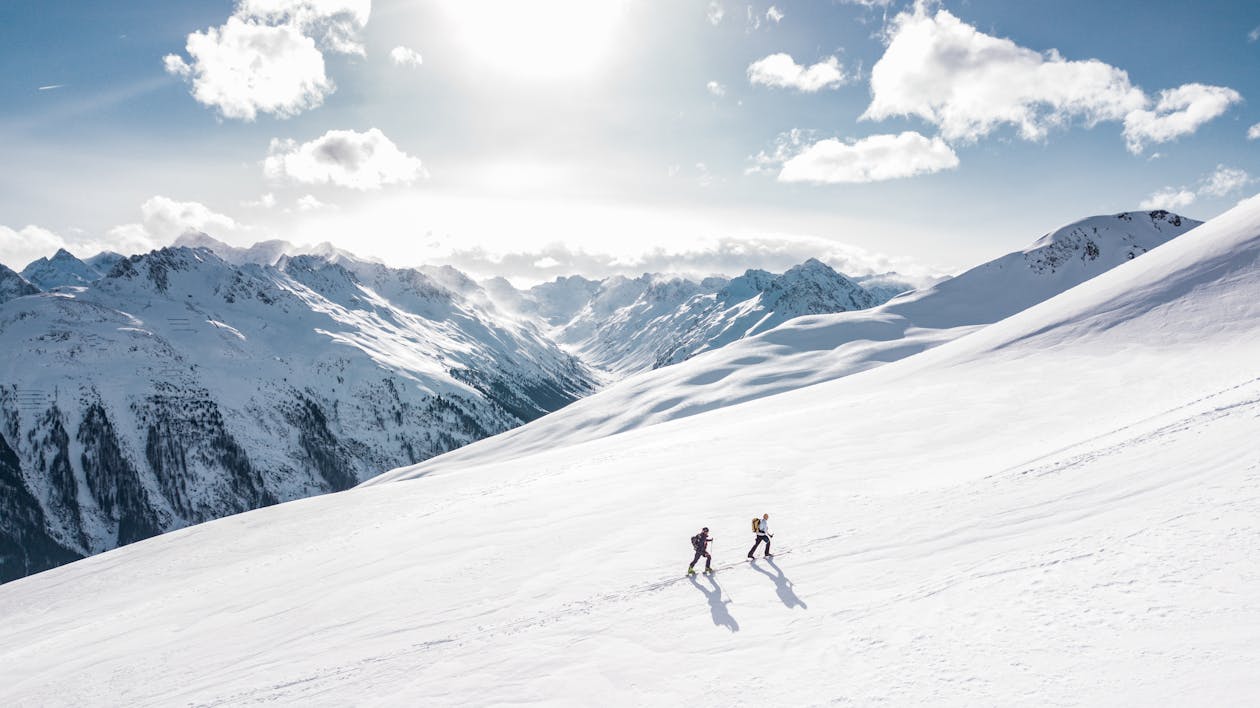
The Blood Care Foundation - The Backpackers Mountaineers Guide - hiking on a snow covered mountain

Backpacking is a thrilling outdoor activity that invigorates the senses with fresh air, beautiful landscapes, and a challenging trek through diverse climates.

One of the most important aspects of backpacking is preparing for the climate and environment. There are different types of backpacking climates such as tropical, arctic, desert, and temperate. Backpacking in the tropical climate can be an exciting adventure that requires bug repellents, sunscreen, and proper hydration. In the Arctic climate, backpackers must prepare for below-freezing temperatures and the possibility of snow, so they need to carry appropriate gear to stay warm and dry.

Backpacking in the desert climate, such as Joshua Tree National Park in Alaska, can be a daunting challenge as the heat and dust can quickly dehydrate hikers.

Temperate climates may be more pleasant but still require preparation for sudden temperature drops and inclement weather. No matter what environment backpackers are exploring, it’s crucial to be well-informed, carry the right gear, and properly prepare in order to fully experience the adventure and stay safe on the trail.

Know How To Contact Mountain Rescue

One essential aspect of mountain safety is knowing how to contact mountain rescue. In the event of an accident or unexpected situation, having a way to call for help can make all the difference.

It’s important to research and store the local emergency hotline number in your phone and to have a backup plan in case you lose service or your phone dies. Some areas may have specific mountain rescue teams that you can contact directly, so it’s also helpful to have that information on hand.

But what happens if there’s a language barrier? Don’t panic. In these situations, it’s important to remain calm and resourceful. If you or someone you know needs help but there is a language barrier, the best thing to do is try to find someone who speaks both your language and the language of the rescuers. If that’s not possible, use basic hand gestures or drawings (only if possible) and try to communicate as clearly as possible. You can also try Google translate too or another translating program you may have on hand.

Remember, the rescue team’s priority is to get you to safety, so they will do everything they can to help, even if there is a language barrier.

With a little preparation, you can feel confident and safe during your outdoor adventures.

Do Not Skip Travel Insurance

Traveling can be an exciting and adventurous experience, especially when it involves backpacking or mountaineering. However, it’s crucial to recognise the importance of travel insurance to ensure your trip remains safe and worry-free.

Backpacking and mountaineering typically involve physical activities that come with the risk of injury and accidents, making it essential to protect yourself in case of emergencies. Travel insurance provides coverage for unforeseen events such as medical emergencies, trip cancellations, or theft, making it an essential investment for any backpackers or mountaineers. By purchasing travel insurance, you can embark on your adventure with peace of mind while enjoying the thrill of your journey.

The Blood Care Foundation

The Blood Care Foundation logo

Exploring the unknown corners of the world can be an adventure unlike any other, but it can also bring unforeseen risks and dangers. That’s where the Blood Care Foundation Travel Club comes in.

This exclusive membership program provides urgent access to screened blood supplies, no matter where your travels may take you. Whether you’re trekking through remote mountains or backpacking across continents, the peace of mind that comes with having this lifeline at your fingertips is priceless. And with prices as low as £12 a month or just £60 a year, it’s an investment in your safety and wellbeing that simply can’t be beat.

Click this link here for more information on ‘The Walking Blood Bank’, it’s a very useful membership to have!

Check For Bad Weather

Weather plays a vital role in determining how enjoyable your backpacking trip will be, especially if you’re a beginner. Bright sunshine and pleasant temperatures can make your journey through the wilderness quite enjoyable.

However, if you’re caught up in heavy rain or face a sudden drop in temperature, the situation can quickly become challenging. Unpredictable weather and extreme temperatures can affect not only your health, but also your gear. That said, planning ahead and packing appropriately for the weather conditions can make all the difference. Checking the weather forecast is a great way to ensure you’re prepared for any potential weather challenges. In any case, as a beginner, it is always advisable to err on the side of caution and stay updated with reliable weather reports before embarking on your trip.

How To Prepare For Your First Trip

The Blood Care Foundation - The Backpackers Mountaineers Guide - how to prepare for your first trip

There’s nothing quite like the thrill and adventure of heading out on your first backpacking trip. However, it’s important to be prepared before embarking on any outdoor excursion. Backpacking gear is also widely preferred by beginners as it is typically lightweight gear you can carry in a backpack instead of a gear intensive activity such as mountain climbing or mountaineering. With a little planning, you can ensure that your trip is safe, enjoyable, and memorable.

First and foremost, consider the location and weather conditions. Research the area you’ll be backpacking in and check the forecast for any potential hazards or inclement weather. It may also help to research and plan your trip to visit popular trails as if you get stuck or lost, there will be others there to help.

Make a packing list and be sure to bring essential items such as a first aid kit, map and compass, water filtration system, and proper clothing and footwear. Take time to physically train and get in shape for the trip, as backpacking can be physically strenuous. Finally, always let someone know your itinerary and expected return date in case of an emergency. If you can, we’d also recommend taking a local or experienced backpacker with you. With these helpful tips, you’ll be well on your way to an unforgettable backpacking adventure.

Feel Like A True Explorer By Learning Compass Skills

Mountaineering requires a set of skills that are essential to navigating the rugged terrain and unpredictable weather conditions of mountain ranges. Among these skills, using a compass can be the difference between arriving safely at a destination or getting lost in the wilderness.

A compass enables mountaineers to find their bearings, determine their current location, and chart a course towards their goal. The use of a compass to navigate the mountains requires a deep understanding of basic concepts such as magnetic declination, orienting the compass and taking reliable bearings. Good compass skills can give mountaineers the confidence to explore new territories and stay safe while doing so.

So as well as your physical preparation, it’s important to research and practice your compass skills so you don’t get lost at high altitude or along the many trails as route finding may prove difficult if it begins to get dark or bushy!

Essential Backpacking Gear For The Beginner Backpacker

Backpacking is an exhilarating way to experience the great outdoors, but it can be overwhelming for those new to the activity. While packing essential gear for backpacking can seem like a daunting task, having the right equipment can make all the difference in your trip’s success.

A sturdy backpack, a well-made tent, a sleeping bag appropriate for your destination’s climate, a reliable water filter, good quality mountaineering boots with essential traction and a lightweight stove are some of the must-have items for beginners. Remember, your backpack is your home away from home, so taking the time to properly equip yourself can ensure a more comfortable and memorable experience in the wilderness. With the right tools at your disposal, you’ll be well on your way to planning your next exciting backpacking adventure.

Research Your Route Boundaries

The Blood Care Foundation - The Backpackers Mountaineers Guide - researching your route with a map

As a hiking and backpacking enthusiast, it’s crucial to know the ins and outs of public lands versus private lands. Public lands are owned by the government and are open to the public for recreational activities such as hiking and camping (national state parks for example would be considered public lands). These lands are typically maintained and managed by state or federal agencies, ensuring that they remain available for public use.

On the other hand, private lands are owned by individuals or corporations and may not be accessible to the public. It’s important to respect private property and obtain permission before hiking or camping on these lands.

Mountain Climbing For The Beginner

Mountaineering can seem like an intimidating sport, but with the right preparation and mindset, anyone can give it a try.

Beginners should start with small hikes to build up endurance and get comfortable with the gear. It’s important to invest in high-quality equipment, such as sturdy mountaineering boots, crampons, trekking poles and an ice axe, to ensure safety on the mountain. Beginners should also educate themselves on avalanche safety, wilderness first aid and weather patterns and conditions before venturing out.

Mountaineering requires physical and mental stamina, but the payoff of reaching the summit and taking in the stunning views is well worth the effort, if you need to take it slow by one foot at a time, that’s totally fine!

With practice and determination, even the most inexperienced climber can become a skilled mountaineer.

The Mental Benefits Of A Mountaineering Trip
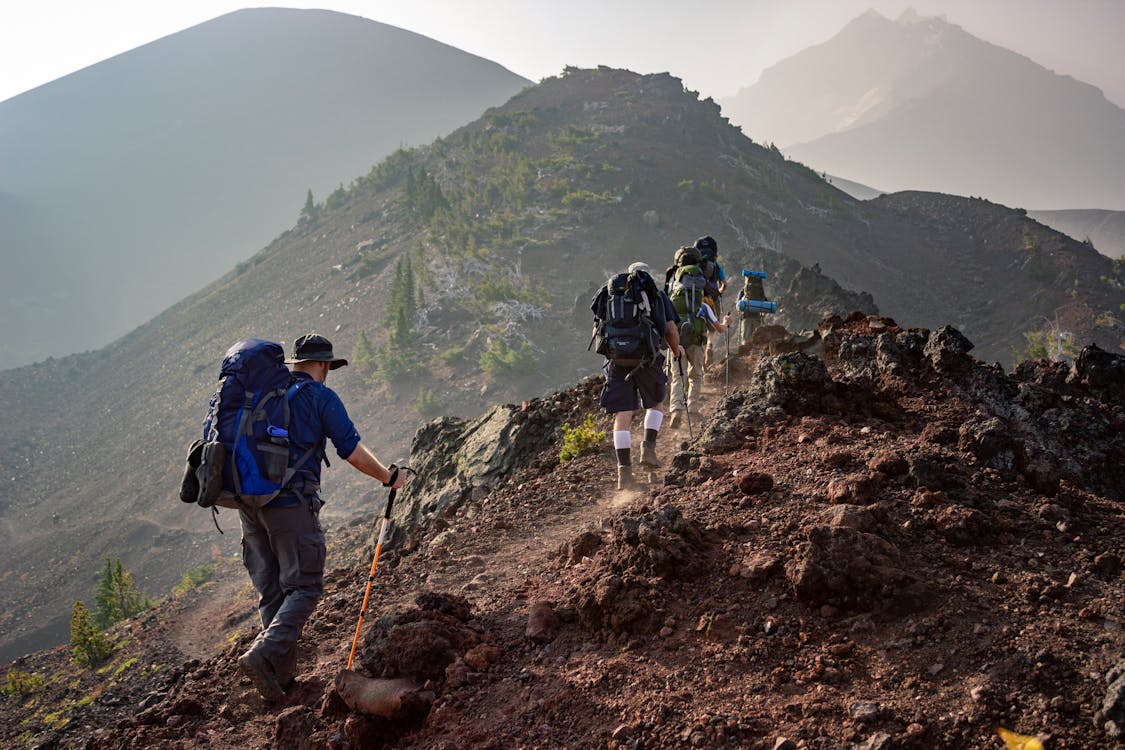
The Blood Care Foundation - The Backpackers Mountaineers Guide - hiking on a mountain path

Mountaineering is a unique and strenuous activity that can help bring out the best in us physically, as well as mentally.

Apart from its physical challenges, mountaineering has several mental benefits that are worth exploring. Firstly, it provides an opportunity to overcome fear and build self-confidence. Scaling a mountain requires a great deal of courage and risk-taking, and the mental fortitude to push on despite those feelings of uncertainty.

In addition, the activity encourages critical thinking and problem-solving skills as climbers navigate through the mountains’ challenging terrain. Mountaineering also helps to cultivate resilience, adaptability, and determination. Ultimately, these mental benefits of mountaineering can go beyond the sport and help climbers tackle other challenges in their lives as well.

How To Prepare For You Mountaineering Trip

Mountaineering can be an exhilarating journey that challenges both the mind and body. However, it’s important to be well-prepared to ensure a safe and successful trip.

Firstly, research the mountain you plan to climb and learn as much as you can about its weather patterns, terrain, and altitude. This will allow you to determine the appropriate gear and equipment needed, like crampons, helmets, and ice axes.

Next, physical training is essential to prepare your body for the demands of mountaineering. Cardiovascular exercise and strength training, like hiking with a heavy backpack, will build stamina and endurance.

Lastly, enlist the help of a seasoned climbing instructor or guide to teach you the necessary skills for a safe and successful climb, such as how to operate technical equipment and manage emergency situations. By following these steps, you’ll be one step closer to conquering that mountain peak and enjoying the breathtaking views.

Preparing For Snow and Ice

The Blood Care Foundation - The Backpackers Mountaineers Guide - hiking in snowy conditions

As a mountaineer, it is important to be prepared for any type of weather conditions, especially when it comes to snow and ice. The beauty of the mountains is often accompanied by unpredictable weather patterns, and a sudden snowstorm can turn a simple hike into a treacherous climb.

Proper preparation for glaciated terrain is crucial to ensure a safe and enjoyable experience. This means packing essential equipment such as ice screws, ropes, ice axes, crampons, and snowshoes, as well as ensuring your clothing is warm, waterproof and breathable. It’s always better to be over-prepared than under-prepared, so take the time to research the weather forecast before your trip and plan accordingly. Remember, the key to a successful and safe mountaineering trip is being prepared for anything the mountain may throw your way, so it’s good to learn some technical snow skills in advance.

Keep An Eye On Melting Snow

Mountaineering trips are often a test of endurance and skill. A crucial factor that can significantly impact your trip is the effect of melting snow on the terrain. While the stunning views and the thrill of conquering the summit are some of the highlights of a mountaineering trip, it’s important to remember that the snow can have a profound effect on the conditions you face.

Melting snow can create slippery and unstable slopes, making it challenging to maintain your footing and balance. Additionally, the melting snow can lead to streams and rivers forming, which can be hazardous to cross without proper care. Therefore, it’s crucial to be aware of potential dangers and plan accordingly to ensure that your mountaineering trip is a safe and enjoyable experience.

The Dangers Of Avalanches and Steep Snow On Your Mountaineering Trip

Avalanches and steep snow can take you by surprise, and the consequences can be disastrous. It’s crucial to have the necessary knowledge and equipment to help prevent these dangers or minimise their impact.

Remember to check the weather forecast and avalanche risk, carry a transceiver, shovel, and probe, and, most importantly, listen to and trust your instincts. Don’t let these risks deter you from the exhilaration of mountaineering, but make sure you’re always prepared and aware of the dangers ahead.

Having Good Mountaineering Friends
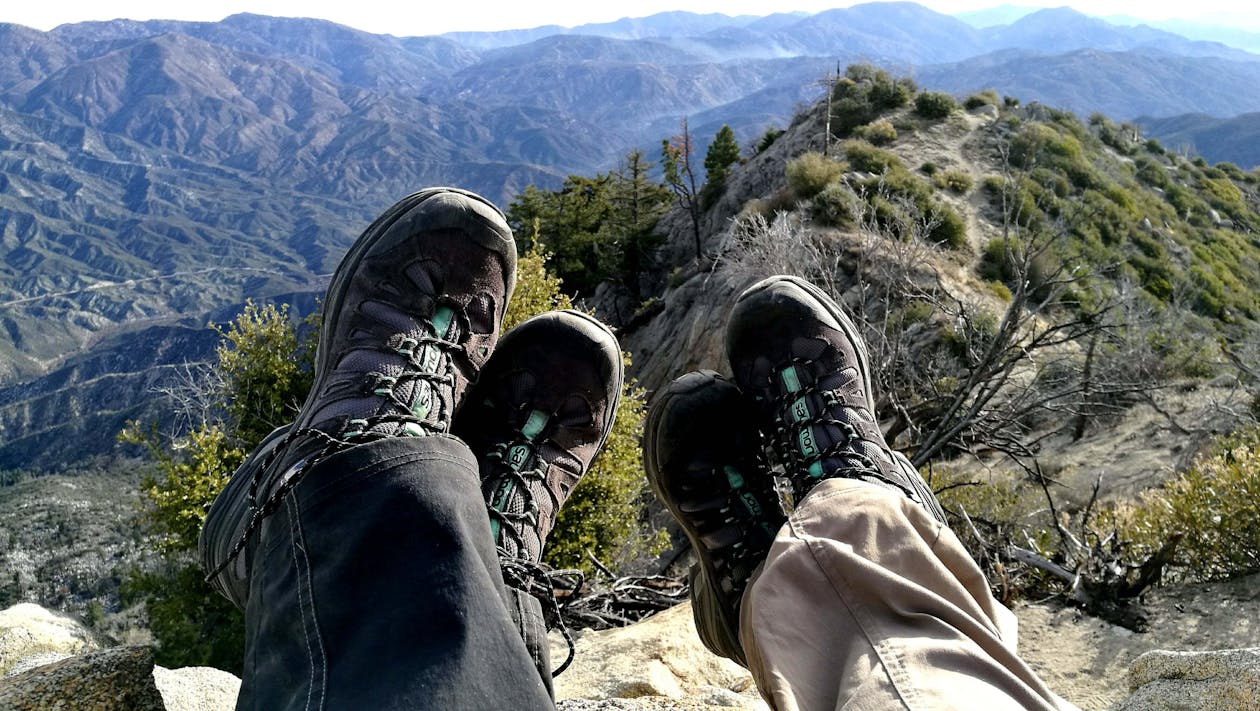
The Blood Care Foundation - The Backpackers Mountaineers Guide - putting your feet up after mountaineering with friends

When it comes to climbing mountains, there’s no doubt that it’s a challenging and rewarding experience. However, if you’re a beginner, it’s important to take the necessary precautions to ensure a safe and enjoyable climb, including enlisting the help of experienced mountaineering friends!

They have the knowledge and expertise to guide you through steep slopes, help you understand the risks of altitude sickness, and make sure you have the right gear and equipment for the climb. Climbing high mountains can be intimidating and exhausting, but having supportive and knowledgeable friends by your side can make the experience all the more rewarding. So, if you’re new to mountaineering, consider taking some experienced friends with you on your next adventure.

Snow Travel and Glacier Travel

For many mountaineers, the thought of traversing snowy peaks and navigating icy glaciers is nothing short of a thrilling adventure.

Snow travel and glacier travel are crucial skills for those who seek to summit some of the world’s highest and most challenging peaks. These skills involve knowledge of rope management, ice tools and snow anchors, ice climbing techniques, and crevasse rescue procedures.

But beyond the technical aspects, there’s something truly majestic about traveling through a winter wonderland. The pristine white landscape, the crisp air, and the feeling of being part of a small group of adventurers amidst an awe-inspiring natural environment makes for an unforgettable experience. Whether you’re a seasoned mountaineer or a newbie looking to gain skills, this technical terrain will surely inspire and test you in equal measure.

Rock Climbing For Beginners

The Blood Care Foundation - The Backpackers Mountaineers Guide - rock climbing for beginners

Rock climbing is an exciting and challenging sport that requires strength, endurance, and a willingness to push yourself to new heights- literally. For beginners who are just starting out, this can seem daunting, but fear not! With a little patience, a good attitude, and some proper instruction, even the most inexperienced climber can tackle the rock face.

Whether you’re seeking a new adventure, looking for a way to stay active and engaged, or simply want to conquer your fear of heights, rock climbing has something to offer everyone. So grab your harness, chalk up your hands, and get ready for an exhilarating ride!

Preparing For Your Rock Climbing Adventure

Are you ready to take your climbing skills to the great outdoors? Preparing for your first outdoor rock climb might seem daunting, but with the right mindset and some key equipment, you’ll be scaling those cliffs in no time.

First and foremost, make sure you have all the necessary gear: a good pair of climbing shoes, a sturdy and reliable harness, a helmet, and plenty of ropes and quickdraws.

Next, practice your technique and build your core strength in a local climbing gym or indoor wall. Be sure to research the specific outdoor rock climbing area you plan to visit, and know their rules and safety guidelines.

Finally, climb with a trusted partner who is knowledgeable and experienced in outdoor climbing. With these steps, you’ll be on your way to a successful and unforgettable outdoor rock climbing experience.

Equipment Basics

The Blood Care Foundation - The Backpackers Mountaineers Guide - rope for mountaineering and rock climbing

Rock climbing is an exciting activity that requires proper equipment to ensure safety and success. One of the most important requirements for rock climbing is a pair of sturdy climbing shoes, which provide traction on uneven surfaces.

For rope climbing, a harness and rope are pivotal, ensuring that climbers are securely attached to the rock face. Other essential items include carabiners and quickdraws, which serve as connectors and anchors, and a chalk bag to keep hands dry and improve grip.

Climbers should also wear a helmet to protect their heads from falling debris and accidents. With a complete set of equipment, climbers can confidently conquer even the most challenging rock formations. This is just the basics so it’s very important to research all the vital equipment you’ll need to keep safe.

The Most Beautiful Landscapes To Backpack and Climb Across Asia and New Zealand

Thailand

The Blood Care Foundation - The Backpackers Mountaineers Guide - waterfall in Thailand

Thailand, a country renowned for its diverse landscapes, rich culture, and warm hospitality, offers some of the most stunning backpacking trails in the world. Whether you’re an adventure traveller, a nature enthusiast, or a backpacker looking for your next challenge, Thailand’s trails promise an unforgettable experience. From the mountainous north to the coastal south, here’s your guide to the most beautiful backpacking trails across Thailand.

Northern Mountainous Trails

Highlights:

  • Stunning Views: As you trek through the mountains of Northern Thailand, prepare to be mesmerised by the expansive views of lush forests and cascading waterfalls.
  • Rich Culture: Many trails wind through local villages where backpackers can experience the warmth and traditions of Thai life firsthand.
  • Wildlife Watching: Keep your eyes peeled for diverse wildlife, including majestic elephants and playful gibbons.

Must-Experience Trail:

One of the must-try trails in the north is the trek to Doi Inthanon, Thailand’s highest peak. Not only will you be rewarded with breathtaking panoramas, but the trail also passes by roaring waterfalls and ancient stupas, blending natural beauty with cultural heritage.

Southern Coastal Trails

Highlights:

  • Pristine Beaches: The trails along Thailand’s southern coast lead to some of the world’s most pristine beaches, offering a tranquil retreat after a day of trekking.
  • Snorkelling Paradise: Crystal-clear waters along these routes provide perfect spots for snorkelling, where vibrant marine life awaits.
  • Sunset Vistas: End your day on a high note with unparalleled sunsets that paint the sky in hues of orange and pink.

Must-Experience Trail:

The trail through the Mu Ko Ang Thong National Park is a highlight, giving backpackers access to hidden lagoons, untouched beaches, and panoramic views of the Gulf of Thailand from viewpoints that seem to touch the sky.

Trails with a Cultural Twist

Highlights:

  • Local Villages: Trails that meander through rural Thai villages offer a unique opportunity to immerse yourself in the country’s traditional way of life.
  • Historic Landmarks: Many paths are dotted with historic and religious landmarks, where ancient temples and monuments tell the stories of Thailand’s rich past.
  • Culinary Delights: Sampling local delicacies from roadside stalls or village markets adds a flavourful dimension to the backpacking experience.

Must-Experience Trail:

A trek through the ancient city of Ayutthaya, a UNESCO World Heritage site, allows backpackers to combine physical activity with a deep dive into Thailand’s history. The trail is an open-air museum, showcasing the splendid architecture of a bygone era.

Wildlife and Bird-Watching Trails

Highlights:

  • Abundant Wildlife: Thailand’s dense jungles are home to a wide array of wildlife, offering enthusiasts the chance to spot rare and exotic creatures.
  • Bird Watcher’s Paradise: The country’s national parks are teeming with unique bird species, making them perfect for avid bird watchers.
  • Conservation Efforts: Trails often run through conservation areas where you can learn about efforts to protect Thailand’s natural habitats and species.

Must-Experience Trail:

Khao Sok National Park provides one of the best wildlife and bird-watching experiences. Here, the ancient rainforest ecosystem hosts a plethora of animal and bird life, alongside stunning natural features like limestone karsts and tranquil lakes.

India

The Blood Care Foundation - The Backpackers Mountaineers Guide - mountain range in India

India, with its diverse landscapes, offers some of the most captivating and unique destinations for backpackers and climbers. From the towering peaks of the Himalayas to the dense forests of the Western Ghats and the mesmerising caves of Meghalaya, adventure awaits at every corner. Here’s a guide to exploring these regions, each boasting its own set of challenges and breathtaking views.

Himalayas: The Ultimate Climbers’ Paradise

The Himalayas, a beacon for mountaineers worldwide, offer an unparalleled range of trails and climbing opportunities. Whether you’re a novice taking your first steps into the world of hiking or an experienced climber eyeing the summit of Everest or Kanchenjunga, the Himalayas have something for everyone.

Key Highlights:

  • Varied Trails: Choose from a multitude of trails, each promising a unique adventure. The region offers everything from short day hikes to demanding multi-day expeditions.
  • World’s Highest Peaks: Stand in awe of some of the Earth’s mightiest peaks. These majestic mountains provide a dramatic backdrop for your climbing adventures.

  • Cultural Experience: Visit ancient monasteries and learn about the rich culture and traditions of the Himalayan communities.

Western Ghats: A Trekker’s Dream

The Western Ghats offer a starkly different, but equally mesmerising, landscape to explore. The endless green expanse, dotted with waterfalls and streams, offers the perfect setting for trekking and rock climbing.

Key Highlights:

  • Biodiversity Hotspot: Home to dense forests hosting unique species of flora and fauna, making your treks both beautiful and informative.
  • Challenging Terrain: The rugged terrain, with its hills and forests, presents trekkers and climbers with exciting challenges.
  • UNESCO World Heritage Sites: Explore the Nilgiri Biosphere Reserve among other sites, offering a glimpse into the ecological importance of the region.

Meghalaya: The Abode of Clouds

Meghalaya, meaning ‘the abode of clouds,’ stands true to its name. It offers visitors the chance to explore the less trodden paths, caving adventures, and the marvel of living root bridges.

Key Highlights:

  • Living Root Bridges: Witness the architectural ingenuity of the Khasi and Jaintia tribes, who have interwoven tree roots to form natural bridges over streams.
  • Caving Adventures: Delve into some of the world’s longest and most complex cave systems, offering an adrenaline-pumping experience.
  • Scenic Beauty: The state’s landscape is adorned with beautiful waterfalls and panoramic views that leave adventurers and nature lovers spellbound.

Planning Your Adventure

Regardless of the destination, proper planning is key to a successful adventure. Ensure you have the right gear, respect local customs and environmental guidelines, and prepare physically and mentally for the challenges ahead. Most importantly, be ready to immerse yourself in the beauty and diversity of India’s landscapes, which promise to make your backpacking and climbing experience unforgettable.

Whether scaling the heights of the Himalayas, navigating the lush territories of the Western Ghats, or exploring the mystical caves of Meghalaya, India offers a mosaic of experiences for the adventurous soul. Each destination, with its unique features and challenges, beckons intrepid travellers to set forth on a journey of discovery and awe.

New Zealand
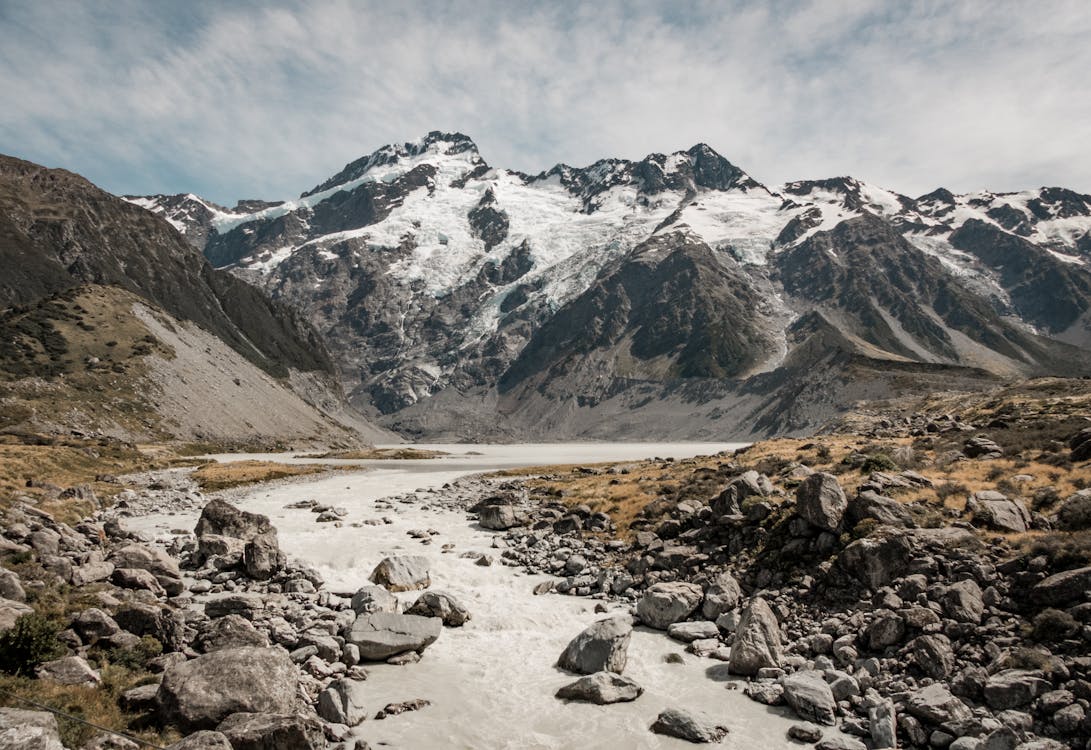
The Blood Care Foundation - The Backpackers Mountaineers Guide - mountain range in New Zealand

New Zealand, with its pristine landscapes, rugged mountains, and crystal-clear waters, is a backpacker’s paradise. From the enchanting Milford Sound to the golden beaches of Abel Tasman National Park, there’s no shortage of breathtaking destinations to explore. Here’s your guide to making the most of backpacking in this beautiful country, complete with key travel tips to ensure an incredible and safe adventure.

Key Destinations for Backpackers

Milford Sound

Tucked away in Fiordland National Park, Milford Sound is a must-visit for any backpacker in New Zealand. Known for its majestic waterfalls, towering cliffs, and the iconic Mitre Peak, it’s a place where nature’s beauty is on full display. Hiking the Milford Track offers an immersive experience, allowing adventurers to trek through the heart of Fiordland, but remember: reservations are necessary, so plan ahead.

Abel Tasman National Park

Famous for the Abel Tasman Coast Track, one of New Zealand’s Great Walks, this national park boasts some of the most beautiful beaches, coves, and inlets in the country. The track can be completed within 3-5 days, offering relatively easy walking conditions, making it perfect for beginners and experienced backpackers alike. Kayaking along the coast provides a unique perspective of the park’s abundant wildlife and stunning landscapes.

Essential Travel Tips for Backpacking New Zealand

1. Pack for All Weather Conditions

The weather in New Zealand can change in the blink of an eye. Prepare for everything from rain to sunshine by packing layers, waterproof gear, and comfortable hiking boots.

2. Utilise Public Transport or Hitchhike

Getting around New Zealand doesn’t have to break the bank. Buses are a cost-effective option for longer distances, while hitchhiking is common for shorter routes. However, always prioritise your safety when catching rides.

3. Navigation is Key

While New Zealand’s trails offer world-class hiking, not all paths are clearly marked. A reliable map and compass are indispensable tools for any backpacker, ensuring you can always find your way.

4. Book Accommodation in Advance

Hostels, campgrounds, and huts along the trail fill up quickly, especially during the peak season (December to February). Booking early not only secures your spot but can also nab you a better rate.

5. Share Your Plans

Always inform someone of your hiking itinerary and expected return, whether you’re headed out for a day hike or a multi-day excursion. This basic safety practice could be lifesaving in case of an emergency.

6. Respect the Natural Environment

New Zealand’s landscapes are breathtakingly beautiful and fragile. Follow the principle of “Leave No Trace” to help preserve these wonders for future generations. This includes packing out all trash, staying on designated paths, and respecting wildlife.

Final Thought

Backpacking through New Zealand is an opportunity to connect with nature, challenge yourself, and make unforgettable memories. By preparing adequately and respecting the local environment and customs, you’re set for an incredible adventure in the land of the long white cloud.

Happy trails, and remember, the best adventures are those that leave no trace behind, except in our memories.

A Last Reminder

In an unforeseen emergency, the last thing you want to worry about is where you can find blood. That’s where The Blood Foundation Traveller’s memberships come in. Titled as ‘The Walking Blood Bank’, they provide peace of mind knowing that, in case of an emergency, you will have access to life saving blood around the world.

No matter where you are, you can trust that this foundation is ready to help. Don’t let the unknown hold you back from your travels, join The Blood Foundation Traveller’s today and have the assurance that you’ll never be too far from a life-saving blood supply.

Click this link here to find out more about their life-saving services and low membership prices, happy trailing!

Rabies Virus

Rabies is a deadly virus that is commonly known for its association with dogs, but can be carried by various animals such as bats, raccoons, skunks and foxes.

It is a very serious disease that poses a risk not only to domestic pets but also to humans, and is found in almost every part of the world.

Once contracted, the virus affects the central nervous system, leading to symptoms such as fever, headache, muscle weakness, and ultimately, death if left untreated.

It is important to be aware of the signs and symptoms of rabies, as well as how to prevent it.

Vaccination of domestic pets, including dogs and cats, is an important step in reducing the transmission of the virus to humans and other pets.

The best way to avoid the disease is to avoid contact with wild animals and seek medical attention immediately if bitten or scratched by an animal that may carry rabies.

Read on to learn more about symptoms of rabies, how the virus spreads and what to do if you’ve been near an animal suspected of having the rabies virus.

What Is The Rabies Virus?

Rabies is a devastating viral infection that can have serious consequences for both animals and humans.

It is caused by the rabies virus, which can be transmitted through the saliva of infected warm blooded animals, including humans.

Once the virus enters the body, it leads to inflammation of the brain and can cause a range of symptoms, such as fever, headache, muscle weakness, and aggression.

Unfortunately, there is no cure for rabies, and the disease is usually fatal once symptoms develop. If you have been exposed to rabies, it is vitally important to contact a healthcare professional immediately and wash any bites or scratches with soap and water. You must get help straight away and treated before symptoms appear as rabies is almost always fatal. Therefore, it’s incredibly important to take precautions and protect yourself and your pets from exposure to potentially infected animals.

Symptoms Of Rabies

Rabies is a serious viral disease that can be deadly if left untreated.

The symptoms of rabies can initially mimic flu like symptoms, such as headaches, fever, and muscle aches.

However, as the disease progresses, symptoms become more severe and can include confusion, hallucinations, and seizures.

In some cases, individuals may display violent behaviour and excessive drooling, making it difficult to swallow.

It’s important to seek medical attention immediately if you suspect that you may have been exposed to rabies, as early treatment can be life-saving.

Remember, prevention is key, so be sure to vaccinate your pets and avoid contact with wild animals.

How To Prevent Rabies Virus

One of the best ways to prevent the spread of this disease is to ensure that pets are vaccinated against it.

This means making sure that dogs and cats receive their rabies shots on schedule, and keeping up to date with booster shots as recommended by your veterinarian.

Another important step in rabies prevention is to avoid contact with wild animals, such as raccoons or bats, which can carry the disease.

If you come into contact with a stray animal or an unvaccinated pet, it’s important to seek medical attention right away in order to reduce the risk of infection.

Following these guidelines can help keep you and your furry friends safe from this dangerous disease.

Is There A Cure For Rabies?

While there is no one cure for rabies, there is a post-exposure prophylaxis, or PEP, that can be given to people who have been bitten by an infected animal.

This includes a series of injections that is typically given over a 2-week period. It is crucial that PEP is administered as soon as possible after exposure to increase its effectiveness.

Despite the availability of PEP, prevention is the best way to avoid rabies altogether. Avoid contact with wild animals, ensure that your pets are vaccinated, and report any potential exposure to a healthcare provider immediately.

How Rabies Affects Humans

Rabies is a deadly virus that during the acute neurologic phase, affects the brain and spinal cord of humans and other animals.

It is typically transmitted through the bite of an infected animal, with rabid dogs being the most common cause.

Rabies symptoms can take days, weeks or even months to appear, and they can include fever, headache, muscle weakness, and muscle spasms.

As the disease progresses, rabies leads to aggression, hallucinations, and paralysis before ultimately causing death.

Although some people develop immunity to rabies after being bitten, this is rare and treatment is crucial to prevent the virus from spreading and becoming fatal.

In short, it is important to take animal bites seriously and seek medical attention if there is any chance of exposure to rabies.

How The Rabies Virus Is Treated Before Symptoms Develop

It is critical to take precautions in the event of a potential rabies exposure.

You should never approach wild animals, as they are most commonly the ones infected with the virus.

But, if you do come in contact with an infected animal and get licked, bitten or scratched, it is crucial to take action immediately.

Treatment should begin before symptoms develop.

First, you will need an antibody treatment. Then, an immune globulin is injected into the infected wound. This can help prevent the virus from spreading through the body, giving a high chance of recovery.

If you suspect you have been exposed to a Rabies Virus, don’t hesitate to seek medical help as soon as possible.

Different Types of Rabies Virus

Rabies is a viral disease that any mammal can get, including humans.

There are two different types of the rabies virus that can cause different symptoms.

Paralytic rabies is a type of the virus that causes muscle weakness, leading to difficulty moving and eventually paralysis.

Furious rabies is the more common type and is characterised by aggressive behaviour, confusion, and hallucinations.

Both types can be fatal if untreated, making it crucial to seek medical attention if exposed to an animal carrying the virus.

Knowing the differences between these types can help identify potential cases early and ensure proper treatment is administered.

How To Protect Small Pets and Domestic Animals

The Blood Care Foundation - Find Out All About Rabies Virus - How To Protect Small Pets and Domestic Animals

As pet owners, we want to make sure that our furry friends are always safe and protected from any illnesses.

One of the most dangerous diseases that our pets can get is rabies. Rabies can be transmitted to animals, including pets and domesticated animals, through bites from a wild animal.

The best way to protect your small pets from the rabies virus is to make sure they have their rabies vaccines.

If you live in an area where wildlife is prevalent, such as in the countryside, it is essential to keep your pets indoors or supervised when outside.

Avoid letting your pets come in contact with wild animals such as raccoons, bats, and foxes, which are known to be carriers of the rabies virus.

By taking these preventative measures, you can ensure that your furry friends remain happy, healthy, and protected from this deadly disease.

Protecting Your Dog From Rabies

The Blood Care Foundation - Find Out All About Rabies Virus - Protecting Your Dog From Rabies

Rabies is a viral disease that can affect both human and animal health and dogs are one of the most common carriers.

To protect your dog from rabies, it is vital to ensure that they receive the proper vaccinations.

These vaccines can help boost their immune system and protect them against the disease.

Additionally, keep your domestic dogs away from wild animals that may carry the virus such as raccoons, bats, and skunks.

If your dog has been bitten or scratched by a wild animal, take them to the vet immediately for veterinary care. With the right precautions, you can protect your dog from rabies and ensure they live a long and happy life.

If You Suspect Your Farmyard Animals Have Been Exposed To The Rabies Virus

The Blood Care Foundation - Find Out All About Rabies Virus - If You Suspect Your Farmyard Animals Have Been Exposed To The Rabies Virus

If you suspect that your farm animals have been exposed to the rabies virus, it’s crucial to act quickly.

Contact your veterinarian right away, and describe any unusual behaviour that you have noticed in your animals. Isolation may be necessary make sure they do not spread rabies even further. You or your veterinarian should also call disease control to stop the rabies infection spreading.

While it’s essential to protect your livestock, it’s also important to protect yourself. Do not handle animals that may have been exposed to rabies without wearing personal protective equipment, such as gloves and a mask.

By acting quickly and taking the necessary precautions, you can protect both your animals and yourself against the deadly disease.

If You Spot A Rabid Animal

If you see a rabid animal, it’s important to act fast and take appropriate safety measures. Do not approach the animal.

The first step is to call your local animal control officials immediately. They are trained to handle these situations and will be equipped to safely capture the animal.

You should also contact disease control to ensure that proper procedures are followed to prevent the spread of rabies.

It’s crucial to remember that rabies is a serious disease that can be fatal if left untreated, so it’s important to take the situation seriously and seek assistance as soon as possible.

It may also be beneficial for you and your community to report stray animals in the area.

The Importance Of Rabies Vaccinations

The Blood Care Foundation - Find Out All About Rabies Virus - The Importance Of Rabies Vaccinations

Rabies is a dangerous and potentially deadly virus that can be transmitted through the bite or scratch of an infected animal.

While many people may associate the disease with dogs, the virus can also be found in other animals such as raccoons, bats, and even some domesticated animals like cats.

Getting vaccinated against rabies is essential and especially important for those who may be at risk of exposure, such as veterinarians, animal handlers, or those who spend time outdoors. The vaccine is a safe and effective way to protect against the virus and can prevent unnecessary suffering and loss of life. Don’t take any chances with your health – talk to your doctor or local health department about getting vaccinated today.

Rabies Vaccine If You Are Travelling

The Blood Care Foundation - Find Out All About Rabies Virus - Rabies Vaccine If You Are Travelling

Travelling to new and exciting destinations can be an exhilarating experience, but it’s important to consider your health and safety when planning your trip.

One vaccine that is often overlooked by travellers is the rabies vaccine.

While it may not be required in all countries, it’s important to consider getting vaccinated if you plan on spending time in rural areas or engaging in activities that may put you at higher risk for exposure to rabid animals.

Rabies is a serious disease that can be fatal if left untreated, so taking proactive measures to protect yourself while travelling can provide peace of mind and ensure a safe and enjoyable trip.

Don’t let a preventable illness ruin your adventure or your life – talk to your healthcare provider about getting vaccinated against rabies.

Conclusion

The Blood Care Foundation - Find Out All About Rabies Virus - A happy family dog free from rabies

In short, it is vitally important to receive medical care and the correct rabies treatment immediately if you or a loved one has been exposed to the rabies virus. Even if you have dog bites or another animal bites from a domestic pet or zoo animal.

Be sure to contact the local authorities to report any rabid animals and never approach injured animals, wild animals and especially stray dogs. Be sure to receive a rabies vaccine if you work outdoors, with animals or are going travelling.

It is important to prevent rabies as contracting rabies is commonly fatal if not treated straight away.

What is blood?

Blood is a specialised body fluid. It has four main components:

Plasma
The liquid component of blood is called plasma, a mixture of water, sugar, fat, protein, and salts. The main job of the plasma is to transport blood cells throughout your body along with nutrients, waste products, antibodies, clotting proteins, chemical messengers such as hormones, and proteins that help maintain the body’s fluid balance. 

Red cells
Known for their bright red colour, red cells are the most abundant cell in the blood, accounting for about 40 to 45 percent of its volume. The shape of a red blood cell is a biconcave disk with a flattened centre – in other words, a red blood cell looks a bit like a donut.

Red cells contain a special protein called haemoglobin, which helps carry oxygen from the lungs to the rest of the body and then returns carbon dioxide from the body to the lungs so it can be exhaled. Blood appears red because of the large number of red blood cells, which get their colour from the haemoglobin. The percentage of whole blood volume that is made up of red blood cells is called the haematocrit and is a common measure of red blood cell levels.

White cells
White blood cells protect the body from infection. They are much fewer in number than red blood cells, accounting for about 1 percent of your blood.

The most common type of white blood cell is the neutrophil, which is the “immediate response” cell and accounts for 55 to 70 percent of the total white blood cell count. Each neutrophil lives less than a day, so your bone marrow must constantly make new neutrophils to maintain protection against infection.

Platelets
Unlike red and white blood cells, platelets are not actually cells but rather small fragments of cells. Platelets help the blood clotting process by gathering at the site of an injury, sticking to the lining of the injured blood vessel, and forming a platform on which blood coagulation can occur. This results in the formation of a fibrin clot, which covers the wound and prevents blood from leaking out. Fibrin also forms the initial scaffolding upon which new tissue forms, thus promoting healing.

Where do blood cells come from?
Blood cells develop from hematopoietic stem cells and are formed in the bone marrow through the highly regulated process of haematopoiesis. Hematopoietic stem cells are capable of transforming into red blood cells, white blood cells, and platelets. These stem cells can be found circulating in the blood and bone marrow in people of all ages, as well as in the umbilical cords of new born babies. Stem cells from all three sources may be used to treat a variety of diseases, including leukaemia, lymphoma, bone marrow failure, and various immune disorders. 

What are the different blood groups?
O positive: 35% (percentage of population)
O negative: 13%
A positive: 30%
A negative: 8%
B positive: 8%
B negative: 2%
AB positive: 2%
AB negative: 1%

What does blood do?
Blood has many different functions, including:

  • Transporting oxygen and nutrients to the lungs and tissues
  • Forming blood clots to prevent excess blood loss
  • Carrying cells and antibodies that fight infection
  • Bringing waste products to the kidneys and liver, which filter and clean the blood
  • Regulating body temperature

How much blood do I have?
The blood that runs through the veins, arteries, and capillaries is known as whole blood, a mixture of about 55 percent plasma and 45 percent blood cells. About 7 to 8 percent of your total body weight is blood. An average-sized man has about 12 pints of blood in his body, and an average-sized woman has about nine pints. 

What happens if I start bleeding?
When your skin is cut, scraped, or punctured, you usually start to bleed. Within minutes or even seconds, blood cells start to clump together and clot, protecting the wound and preventing further blood loss. These clots, which turn into scabs as they dry, are created by a type of blood cell called a platelet. The clot also contains a protein called fibrin, which forms a net to hold the clot in place.

How much blood can you lose without experiencing any side effects?
Most adults can lose up to 15% of their blood without experiencing any major side effects or changes in vital signs. Some, however, may feel lightheaded or dizzy if this amount is lost quickly.

How much blood can you lose before you begin to experience mild side effects?
You’ll start to feel mild side effects, such as nausea, when blood loss reaches 15 to 30% of total blood volume. This amount of loss increases your heart and respiratory rates and your urine output and blood pressure will be decreased. You may feel anxious or uneasy.

Your body will start to compensate for blood loss by constricting the blood vessels in your limbs and extremities; this is your body’s attempt to maintain your blood pressure and blood flow. This subsequently lowers the amount of blood your heart pumps outside the centre of your body. Your skin may become cooler and pale.

How much blood loss can occur before you pass out?
When blood loss nears 30 to 40% of total blood volume, your body will have a traumatic reaction. Your blood pressure will drop down even further, and your heart rate will further increase.

You may show signs of obvious confusion or disorientation. Your breathing will be more rapid and shallow.

As the volume loss climbs, your body may not be able to maintain circulation and adequate blood pressure. At this point, you may pass out and you’ll need help quickly to prevent additional blood loss and greater side effects.

How much blood loss can occur before you go into haemorrhagic shock?
Haemorrhagic, or hypovolemic, shock occurs when you’ve lost 20 percent or more of your total blood volume. Your symptoms will become more severe as the blood loss increases. You may experience:

  • Rapid breathing
  • Weakness or fatigue
  • Confusion
  • Cool, pale skin
  • Sweaty, moist skin
  • Anxiety or unease
  • Low urine output
  • Drowsiness
  • Unconsciousness

Your body can’t compensate for much longer on its own in a blood volume loss of over 40%.  At this stage, your heart can’t properly maintain blood pressure, pumping, or circulation. Your organs may begin to fail without adequate blood and fluid; you’ll likely pass out and slip into a coma.

How much blood loss can occur before you die?
Without treatment, your body will completely lose its ability to pump blood and maintain oxygen delivery once you’ve lost about 50% of your blood volume.

Your heart will stop pumping, other organs will shut down, and you’ll likely be in a coma. Death is extremely likely if aggressive life-saving measures haven’t been taken.

Your body can compensate for a good deal of blood loss however, at a certain point, it shuts down unnecessary components in order to protect your heart.

You’ll likely feel very fatigued in the moments before entering into a coma. If close to death, these feelings may not even be noticed.

How much blood loss can occur before you need a transfusion to recover?
The average haemoglobin level is between 13.5 to 17.5 grams per decilitre for men and 12 to 15.5 grams per decilitre for women. Most doctors won’t consider a transfusion until the haemoglobin levels in your blood reach 7 or 8 grams per decilitre.

This isn’t the only parameter involved in the approach to treating blood volume loss if you’re actively bleeding. However, your haemoglobin level is important for making a red blood cell transfusion decision; the treating doctor would use these and other factors to decide if a transfusion is necessary and if it would be effective for your situation.

The most important thing the treating doctor will try and do is to replace the lost fluids so there is sufficient volume in your circulatory system to pump around the remaining blood. This can usually be achieved with the use of sterile transfusion fluids and then a transfusion of red cells.

CHECK ELIGIBILITY

Complete the form to find out if your organisation is eligible for corporate membership